30 day Liberated Lower Back



Course Content
Introduction + Information
The videos in Module 1 are informational. The practices begin in Module 2. For optimal results, see the attached Calendar in the Introduction for the suggested practice schedule. This 30 day plan will be the most effective method to the program. If you aren't able to follow the plan, you can also simply do 1 video per day in order.
The Foundational Practices: Release + Reset
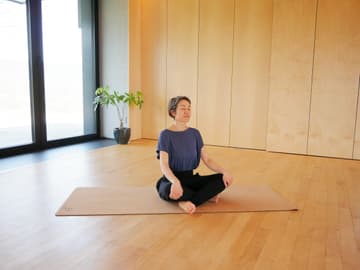
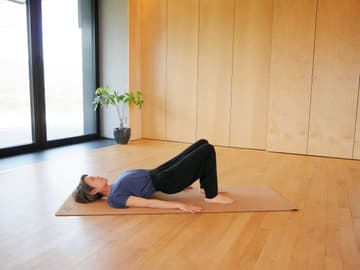
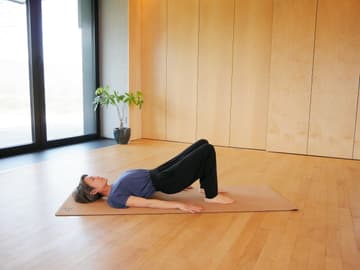
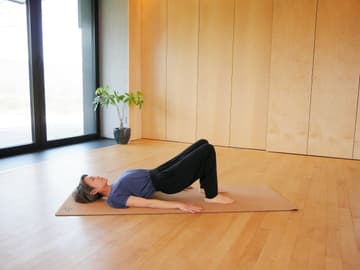
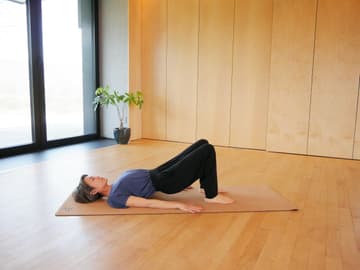
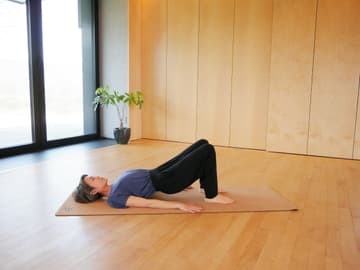
In this module, you will learn to activate certain muscles, and learn to release tension in others. The exercises will help your brain build synapses to communicate with the muscles better. I invite you to join me in these videos, but it is just that - an invitation. Take your time and be patient with yourself!
Focused Strength Building
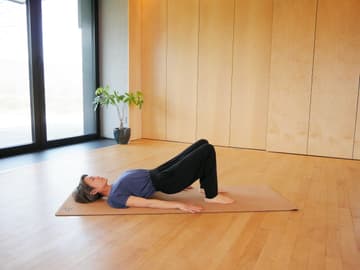
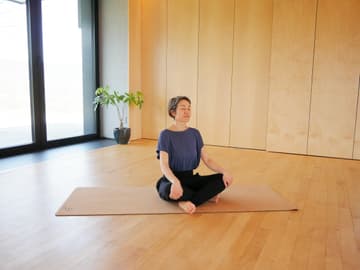
In this module, you will take what you've learned from The Foundational Practices, and use it for more challenging strength building. Continue on this module once you've completed the exercises from Module 2 and your pain is subsiding. If you are still in pain 5-7 days a week, repeat Module 2.
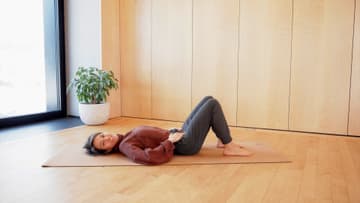
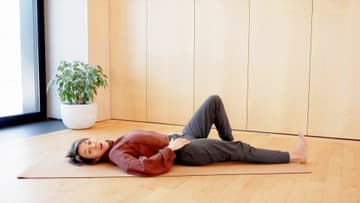
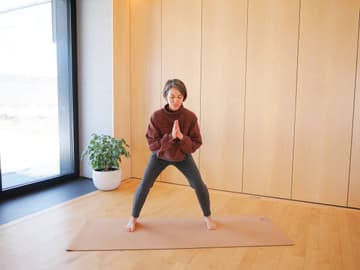
Integration + Practice
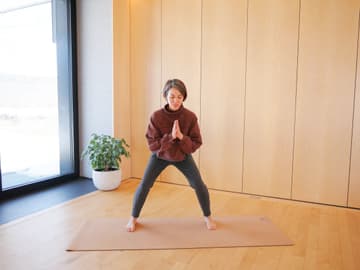
Congratulations on making it this far! In this module, you'll begin to integrate what you've learned here into your daily life, and if you already have a yoga practice, into your sessions. Continue with this module only once you feel your pain has subsided and you are able to do the videos with more ease and strength.
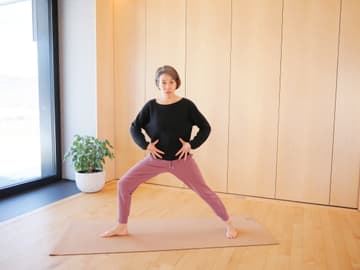
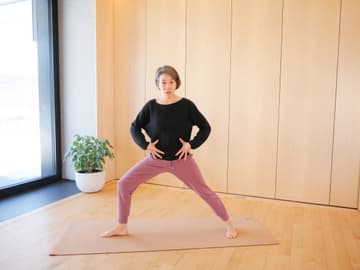
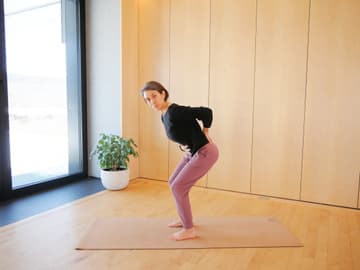
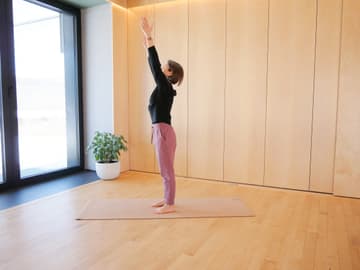
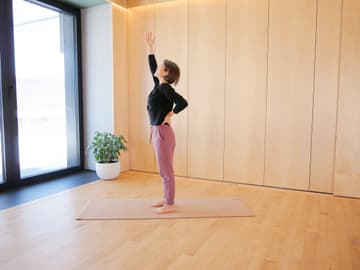
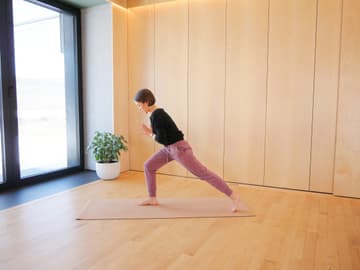
Bonuses
These bonus videos are optional as needed! Feel free to integrate them whenever you feel they are needed.
Frequently Asked Questions
- What level is this for? Do I need experience with yoga?
- This is an all levels course. You do not need experience with yoga or somatics. In this course we'll be breaking down some common yoga poses, and simplifying exercises for maximum low back relief. We'll also be doing some neuromuscular re-patterning and working to calm the nervous system, so chronic holding patterns can begin to let go. Whether you are an experienced yoga practitioner, an athlete, or a beginner, these practices are meant to reduce back pain for all levels.
- My doctor recommended yoga for my lower back pain. Is this a good place to start?
- Yes! This course is a great place to start. There is so much yoga out there today, it's difficult to know what to choose, or if it will work for your body. This type of yoga/somatics is geared specifically for low back pain.
- What equipment do I need for this course?
- For this course, very little equipment is needed. You will need a floor and a chair. A yoga block is recommended, but you can also use any object about 6" wide, like a tissue box or a roller. In some videos, it will be helpful to have common household items: a mat or a rub, pillows, a scarf or belt.
- Does the course last only 30 days? How long do I have access to the course?
- Once you sign up, you have unlimited access to the course. It does not expire. However, to really see the benefits, it is recommended you complete the course within 4-6 weeks. The course is made of 30 videos, plus bonus videos. A recommended calendar is included, but you can do the exercises at your own pace, repeat them as needed, etc.
- What if I don't have 10-15 minutes a day?
- Some videos are shorter than others, and on days when you have a time crunch, you can choose to repeat a shorter video. The practices are laid out in a slow and calculated way to soothe the nervous system, but you may also speed up the video as needed in the settings.
- Who is ayo, and what is their experience/training as a teacher?
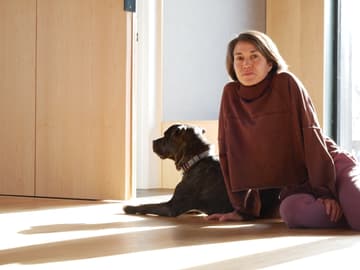
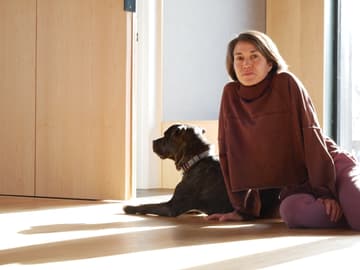
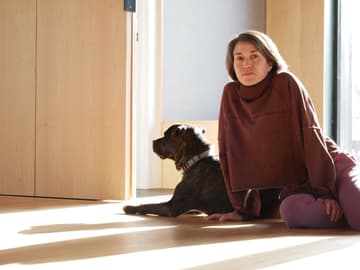
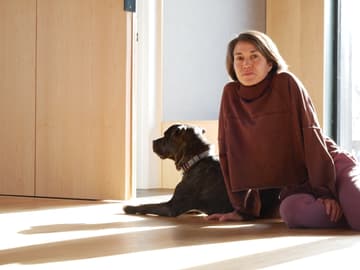
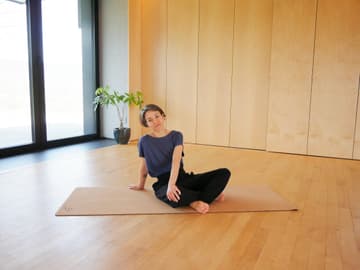
- Thanks for asking! I have been a certified yoga teacher for over 20 years. I am an artist, activist, and former professional dancer who brings extensive experience in anatomy, somatics, Alexander Technique, Klein Technique, Pilates, meditation, physical therapy, and pelvic floor health! In Healing Justice, I’ve trained with Resmaa Menakem, Prentis Hemphill, worked with Healing Justice visionary, Cara Page, and have studied advanced anatomy with Joe Miller, Leslie Kaminoff, and Irene Dowd. And in my personal journey, I have overcome countless physical injuries, dealt with overstretching in yoga, and work with chronic disease and pain in my own body. My philosophy is rooted in anti-oppressive, liberatory practice; a belief that there is no “best self” but rather a journey of acceptance and healing. In modern yoga culture, there is a strong drive towards white, thin, flexible, sexualized women leading practices. In my expression of gender, I choose not to wear tight fitting or revealing clothing. I do not wear leggings or crop tops, but you will still be able to see shape and contours enough to follow along (and better yet, think without looking so your brain synapses are firing!). These practices are not about how I look, they are about how YOU feel. Feel free to reach out if you need further information about my credentials.
- What makes this practice specific to changemakers and socially-conscious folks? Is it political?
- There is no political dogma in this practice and it is made for anyone, but there are a few practices you may not find in other yoga-related practices, including: -daily land acknowledgements -daily acknowledgements of the ancestors of this practice (those who brought/shared the practice to the west) -I acknowledge my own presence and body within the course, and invite you to join me in the process. The practices will never force you, and they are always optional. In addition, changemakers, activists, and socially-conscious folks can often have a heightened sense of guarding in the body from what we've been exposed to. It's normal to not trust the world to let go because the pain and suffering in the world is not normal! These practices take into account how someone with a social conscience may be affected and need special care towards letting go, finding presence, and regaining trust in their own body.